01When do you really need an app?
Not every business needs an app. It becomes the right call when your service is used repeatedly: a weekly booking, a recurring order, a daily follow-up. Then the app saves your customers many steps and gives you a direct channel through notifications.
If customers visit once to get to know you, a fast, convincing website may be the smarter start, with the app coming later.
02What we build with you
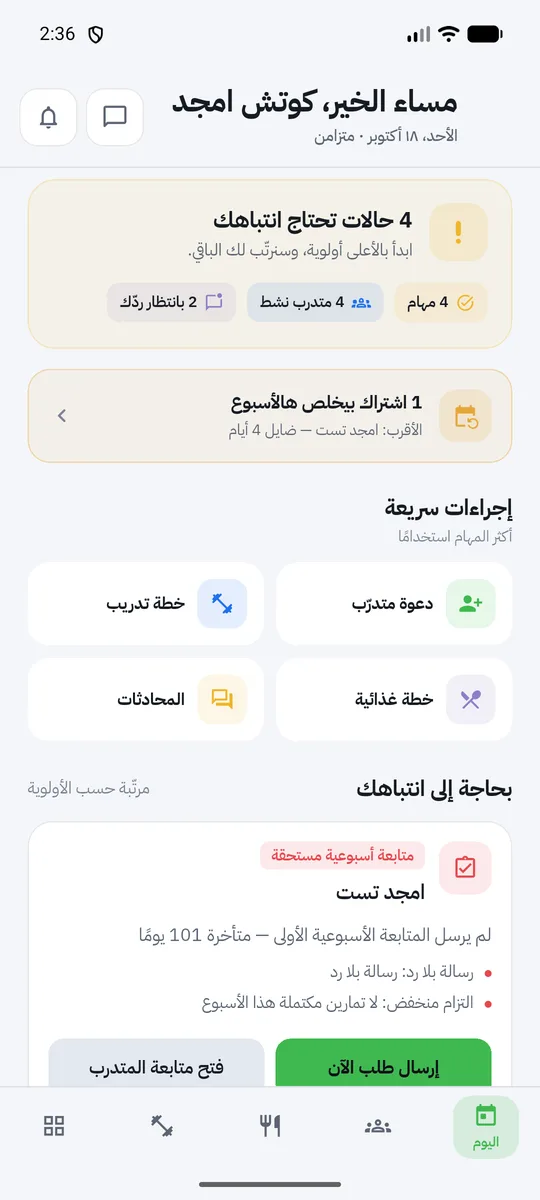
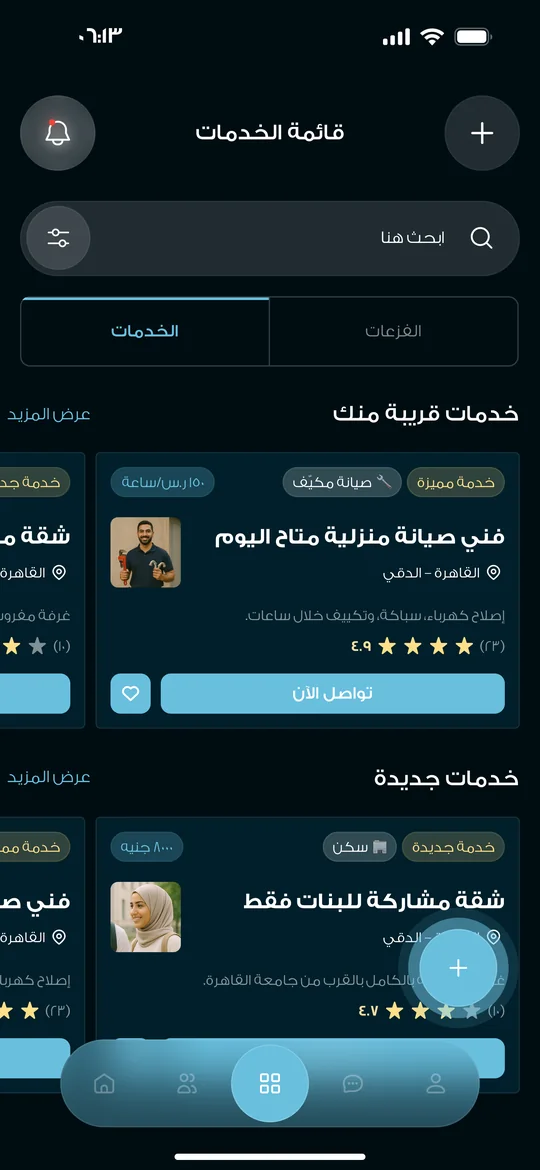
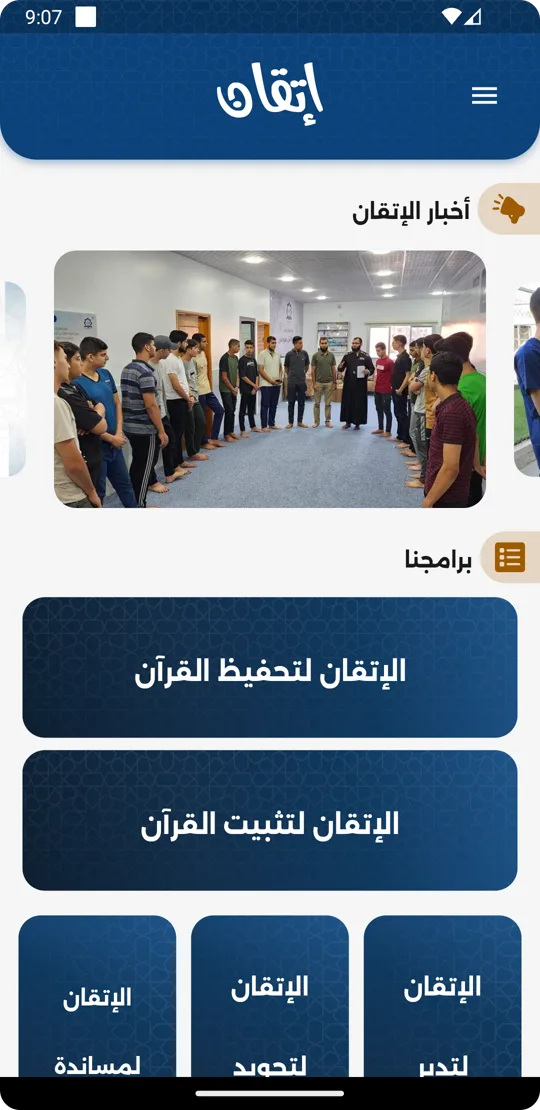
An iPhone and Android app with an experience designed for your audience, and an admin dashboard to manage orders, users and content without coming back to us.
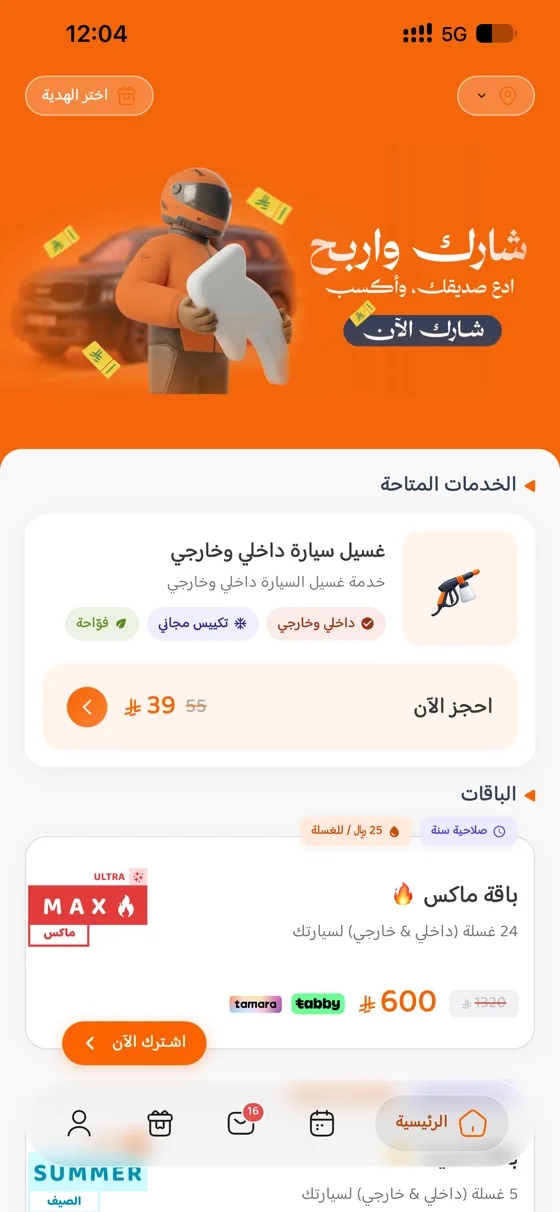
When needed we add what completes the service: online payment, maps and live tracking, notifications, and a second app for providers or technicians, as we did for Foamyy.
03How we work: from idea to the stores
We start by understanding the problem and the users, map the product and core screens, and decide what goes into the first version. Once the scope is approved we design and build in stages, with regular reviews.
Before launch we test the core features and hand you a QA and launch-readiness report, then publish to the App Store and Google Play under your accounts.
04What drives cost and timeline?
Three main factors: the number of parties (customers only, or customers, providers and admins), the number of screens and features, and integrations such as payments and maps.
So we never quote before understanding your project, but you get a fixed price and a written timeline for the approved scope. For reference: Foamyy, with customer and technician apps, reached the stores in under 8 weeks.
05Common mistakes we help you avoid
Building every idea into version one, sacrificing usability for feature count, and starting to code before agreeing on scope. Each of these raises cost and delays launch.
Common questions
Do I need both iPhone and Android?
Usually yes, and we build both with one technology (Flutter), saving time and cost without compromising quality.
Can we start with a small first version?
Yes, and we usually recommend it: a first version with the core features, then we grow it based on real usage.
Who owns the app and the accounts?
You do, 100%: the code, store accounts and servers are in your name.